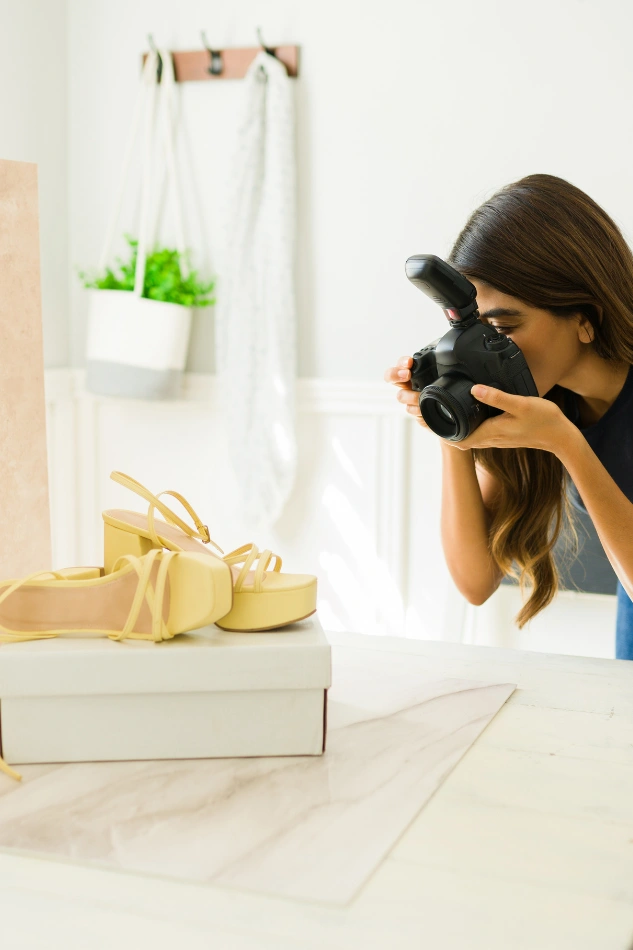
How many of us, browsing online articles or digital storefronts, have stopped for a photo before even considering our interest in the product? That instant engagement is exactly why a good product photographer is so valuable. He or she is capable of turning any object into a memorable image.
If you reflect, you can probably think of an example of outstanding visuals that played a big role in a product or brand’s success, such as the famous iPod commercial, with dancing silhouettes and white devices against colorful backgrounds, animage so powerful that it represented an entire generation.
The power of product photography stems from using light, color, composition, and context to communicate emotional, cultural, and identifying messages. The right product photographer knows how to visually express how a brand is valuable and why that product deserves a client’s attention.
And this is backed by research. On platforms like Vinted, almost 9 out of 10 sales occur only if the images are high-quality and consistent. This is because such photography creates a greater perception of trustworthiness.
So whether you have an e-commerce site, a craft business, or a brand launch, don’t settle for inferior visuals with your phone. Identify a talented product photographer who can elevate your brand and improve your conversion rate, customer satisfaction, and online reputation.
What Do Product Photographers Actually Do?
Product photographers are visual storytellers. Their job isn’t to take “nice” pictures; it’s to create images that sell. This means they strategically utilize lighting, background, angles, reflections, product texture, and even how shadows fall to convince their audiences.
The goal is to make your product desirable, trustworthy, and visible. A great product photo reduces doubts, inspires confidence, and pushes a viewer to click “buy.”
Unlike other photographers, a product photographer specialize in studio setups that are often complex and highly controlled. They’re skilled at using artificial light and modifiers to replicate natural ambiance or capture a product’s unique features.
Good product photographers also understand post-production, which means: color correction, background removal, focus stacking, and sometimes advanced compositing. This process is what gives photos that crisp, polished, high-converting look.
How to Pick a Product Photographer
The right product photographer for you will be someone who knows your industry and your customers. Here’s what to look for:
- Portfolio relevance – Have they shot your type of product before (e.g. skincare, clothing, tech)? Because if you sell jewelry, someone who specializes in food photography may not be a good fit.
- Consistency – Look for a consistent visual language. Do the photos look cohesive across shoots? If not, they probably won’t be able to deliver polished results.
- Communication – Are they curious about your brand? A good photographer will ask questions about your audience, your tone, and your positioning.
- Process clarity – Do they explain timelines, file delivery, revisions, and licensing clearly? Professionalism here saves you stress later.
Yes, you can browse Instagram or Behance or search for a product photographer in your area, but nothing beats a discovery call. Most product photographers are happy to show you their case studies and provide a free assessment of your brand.
The Types of Product Photography (And Why They Matter)
Not all products are photographed the same way. The type of product you sell should determine the type of photography your photographer chooses:
- White Background Photography: This is the most common option. It isolates the product on a clean white background and is ideal for e-commerce platforms like Amazon or Shopify. It removes distractions and keeps the focus entirely on the product’s shape, color, and design.
- Lifestyle Product Photography: These images show the product in use or in a real-world context. Examples are a candle burning on a nightstand or a coffee mug on a kitchen table. Lifestyle photos help customers imagine how the product fits into their lives, and they create an emotional connection.
- Detailed Shots / Close-ups: These photos highlight specific features of the product, like stitching, texture, or material. They are crucial for products where quality and craftsmanship matter. Detailed shots reduce uncertainty and boost buyer confidence.
- Group Product Photography: These are used to show sets, bundles, or product collections. These photos help customers appreciate the variety offered or understand what’s included in a package. They’re especially useful for cosmetics, food boxes, or subscription kits.
- Scale Shots: These images help customers understand the real size of a product. By placing the item next to a common object like a hand, pen, or coin, you avoid surprises after purchase. Scale shots are key for online sales where touch and feel aren’t possible.
Each of these styles requires a particular skill set and setup. That’s why choosing a product photographer with the right specialization will play a big role in determining how your business is perceived.
Still not sure how to choose a photographer?
Book a free consultation with me
Commercial Product Photography: What to Expect
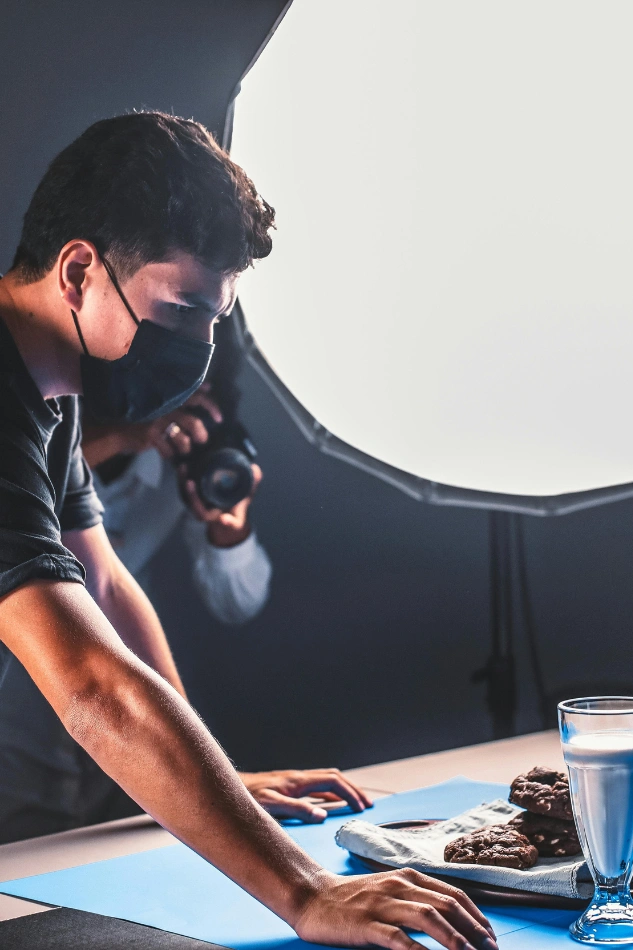
By now you recognize that commercial product photography is more than snapping a few images for your catalog. It’s a full-scale production that blends creativity, planning, and technical skill.
So what is the process?
The Timeline of a Commercial Product Photography Shoot
- Pre-Production Planning
A great shoot starts with a great plan. You and your product photographer will start by defining the product list, moodboard, angles, props, and intended platforms (e.g., web, print, social media). For example, a food product might require multiple setups: one lifestyle, one packaging, and one detail-focused. - Styling and Setup
Photographers often collaborate with stylists to prep each shot. That includes ironing clothing, dusting products, setting props, and aligning compositions. Believe it or not, lighting setups are adjusted down to the millimeter. - Shooting Day(s)
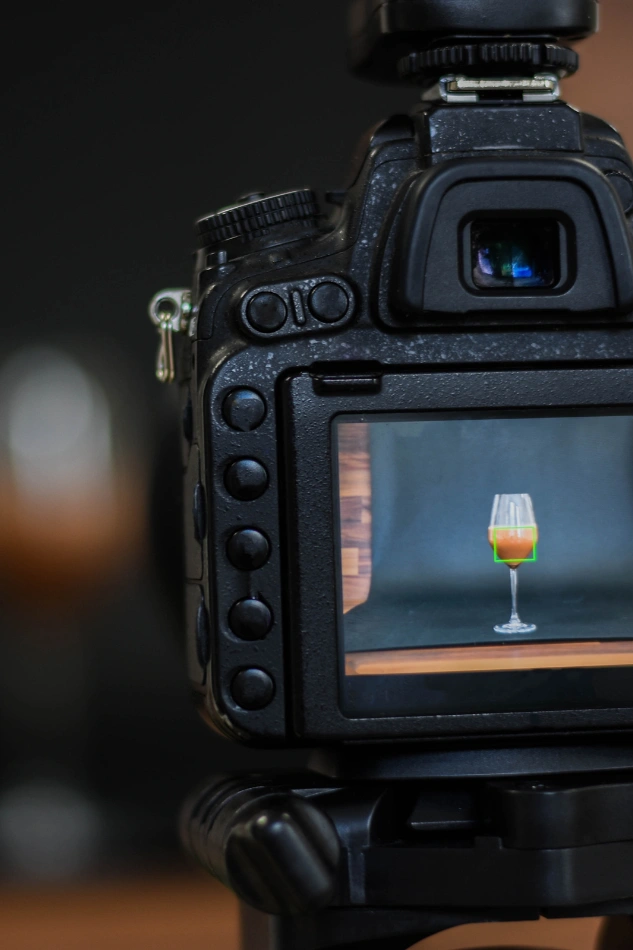
Depending on the number of items and complexity, shoots can last from a few hours to several days. Some setups are even shot tethered (connected to a screen) so clients can review shots in real time. - Post-Production
This includes color correction, retouching, background cleanup, and exporting files in multiple formats. For high-end commercial product photography, edits can include compositing (merging several images into one, flawless final image).
How Much Does It Cost to Hire a Product Photographer?
Freelance product photographers might charge $50–$250/hour, while larger studios offer packaged rates based on shot count and deliverables. The most expensive option isn’t always the best, but the cheapest might often lack polish or strategy.
Overall, you should know that a product photographer salary in the USA can range widely, anywhere from $25,000 to over $100,000 per year, depending on:
- Experience and reputation
- Location (NYC or LA rates are higher than those of small towns)
- Studio access and equipment
- Project complexity and retouching time
- Commercial usage rights (photos used in ads or billboards often require additional licensing fees)
If you’re googling “product photographer near me”, just know that local freelancers and studios often offer better flexibility and more personal collaboration than agencies.
What to Expect from a Local Product Photographer
Searching for a product photographer gives you the advantage of face-to-face consultation, studio access, and faster turnaround times. If you need recurring shoots or seasonal updates, having a go-to local photographer is even more of a plus.
Whether you’re based in Kansas, New York, or California, a quick Google or Yelp search combined with reviews and portfolio checks will help you narrow down your options. You can even ask for a mini test shoot to see how they handle your product type.
Is a Product Photographer a Must for You?
If you sell a physical product, whether online or in stores, you’ll clearly benefit from hiring a product photographer. Whether you’re launching a new brand or scaling an established one, professional visuals influence how people perceive your product before they even read a word of your copy.
E-commerce platforms like Amazon, Etsy, and Vinted have all shown us that great photos build trust, improve conversion rates, and make your product stand out. And with the rise of mobile shopping and visual-first platforms like Instagram, visuals are often your first impression—and sometimes your only one.
Still not sure if it’s time to hire a product photographer? Here are five frequently asked questions:
- Do I really need a product photographer if I have a good phone camera?
Yes. A good phone might be enough for quick social posts, but a product photographer brings advanced lighting, editing, and framing skills that make your product shine in any context—from ads to online stores.
- Who benefits most from product photography?
Small businesses, e-commerce sellers, handmade product creators, clothing brands, and food producers have the most to gain. If you’re trying to build trust quickly, high-quality visuals from a product photographer give you an edge.
- What’s the difference between lifestyle and studio product shots?
Studio shots are clean and consistent, ideal for catalogs and listings. Lifestyle images add context, showing your product in action. A professional product photographer can help you balance both for a comprehensive visual strategy.
- Is product photography a one-time investment?
Not necessarily. You might need updated visuals for new collections, seasons, or marketing campaigns. Many businesses work with a product photographer regularly as part of their ongoing brand strategy.
- How do I choose the right product photographer near me?
Start by checking portfolios, reading reviews, and scheduling a discovery call. The best fit isn’t always the most expensive—it’s the one who understands your product, audience, and goals.
Want to see if we’re a match? Reach out to book a quick call and chat about your vision.